
What to do if a survey reveals problems
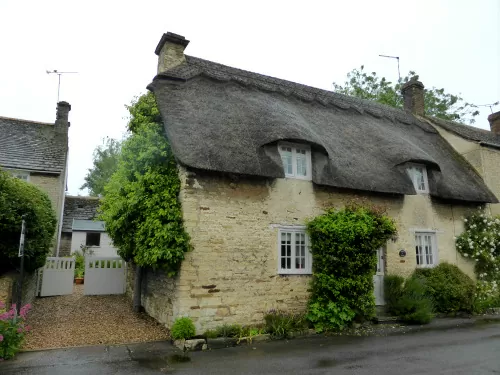
As any property surveyor will tell you, a home survey can save you thousands. Far from being an optional expense, it is your best chance to carry out proper due diligence on the major investment you are about to commit to. While it is all too easy to fall for the charms of an attractively presented property, closer inspection by an independent surveyor can sometimes reveal a very different picture.
Every homebuyer hopes the survey will provide reassurance and peace of mind, but it is by no means uncommon for the findings to identify areas of concern. Whether the property is large or small, old or new, a professional inspection can sometimes uncover serious issues and defects. Some of the most common problems that a building survey may flag include:
- Damp issues including water ingress, condensation and mould
- Timber defects including wet rot and dry rot
- Roof problems and issues with guttering and drainage
- Structural movement including subsidence and heave
- Issues with utilities including gas and electrics
In the survey report, the nature, severity and urgency of each issue found will be clearly explained using the easy-to-understand flag rating system. You are also welcome to speak to our surveyors directly should you have any queries or need further clarification.
You now have 4 options
A poor survey result is clearly disappointing, but it does not have to spell the end of your dream home. The important thing is not to panic, as knee-jerk reactions rarely produce the best outcomes. Take some time to digest the findings, ideally obtaining further advice and cost estimates so you know exactly what it all means for your property purchase.
With all the relevant information in front of you, and using a flexible and pragmatic approach to your house purchase, you are now ready to decide which of these four options is best for you:
1 – Do nothing and carry on as before
A disappointing survey result does not have to spell disaster. In fact, it may not need to change your position at all. Perhaps you are buying the property as a ‘doer upper’ with plans to revamp the kitchen, so the rotting floor timbers flagged up in the survey would have been replaced anyway. Or perhaps you already suspected damp in the Victorian cottage you are buying and just needed confirmation of where best to direct your efforts. Assuming the agreed sale price already reflects the condition of the building, the survey and any further investigations can serve as a useful tool to help you draw up a realistic refurbishment budget and to-do list.
2 – Ask the seller to fix the problem
If you were not expecting major defects to come to light, you may want them repaired before you carry on with the purchase. A roof leak, for instance, may need urgent attention, and you would be well within your rights to ask the seller to get this fixed promptly and before contracts are exchanged. Share the relevant section of the survey report with the seller, ideally supported by additional evidence from a building expert and a clear idea of the costs involved, then agree a way forward. Make sure you have a system in place to check that everything has been done as promised and to your satisfaction.
3 – Request a reduction on the purchase price
Depending on the problem, you may be better off carrying out the necessary repairs yourself. In that case, you will want to revisit the originally agreed price in light of the defects identified. One of the biggest benefits of a property survey is the added negotiating power it gives you. Backed up by independent evidence from a qualified surveyor, you can go back to the seller and ask for a price discount equivalent to the cost of fixing the problem. The seller is, of course, under no obligation to reduce the price, but equally you are not obliged to proceed with the purchase, which gives both parties a strong incentive to find a compromise that keeps the sale on track.
4 – Reconsider your decision to purchase and walk away
Whatever original agreement you may have reached with the seller, it does not become legally binding until contracts are exchanged. The sale price is always agreed ‘subject to survey and contract’. Until then, if you have serious misgivings about the building’s condition, the cost of putting things right or the long-term implications for the property’s saleability, you have every right to change your mind and walk away. Bear in mind that a history of subsidence or other serious structural issues is particularly unpalatable to mortgage lenders, which may well be the deciding factor in whether you choose to go ahead.
A concerning survey report does not have to be the end of the road when it comes to buying the property your heart is set on, but it may be. What is clear is that you will have to make some difficult decisions in light of the additional information the home survey has brought to light. Our job is to help you understand exactly what you are taking on, fully informed and with your eyes open, so you can budget and plan accordingly.
If you wish to discuss your next property purchase with our experienced surveyors, obtain expert property advice or book a survey, please contact the team at Gowers Surveyors in Cambridge, Peterborough or Stamford.
Contact Us
Simply complete the form below and one of our friendly team will be in touch to discuss your survey options.