
Structural Movement in Houses: When Should You Be Concerned?
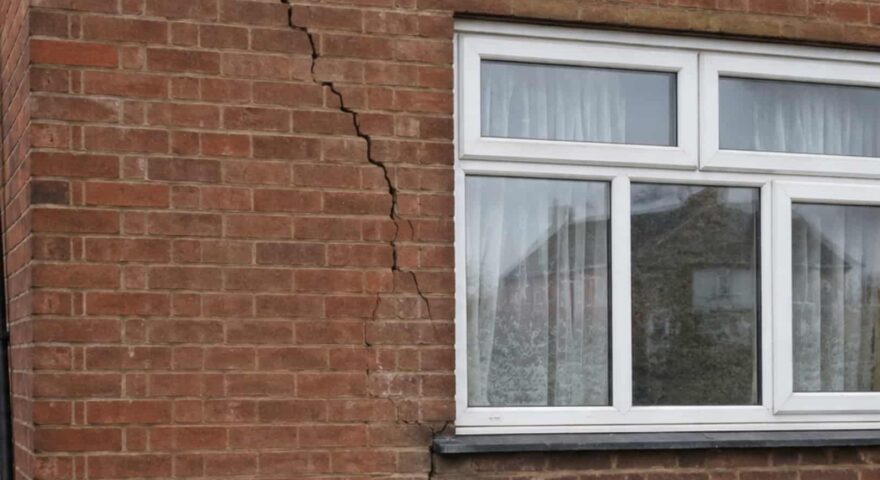
Cracks and signs of movement are among the issues most likely to concern someone buying a property. After a particularly hot and dry summer, buyers may be paying closer attention to cracking, movement and possible subsidence. However, a crack does not automatically mean a property has subsidence or a serious structural problem.
Many buildings, particularly older properties, show evidence of previous movement. The important questions are what caused it, whether it is historic or ongoing, and whether any action is actually required. At Gowers Surveyors, the aim is not simply to identify movement and raise an alarm. It is to put the findings into context and help you understand what they mean for the property you are considering buying.
If structural movement is a concern, a detailed RICS Level 3 Building Survey can provide a clearer understanding of the property’s condition.
What is structural movement?
Structural movement occurs when part of a building changes position or becomes subject to forces that cause cracking, distortion or other visible changes.
Possible causes include:
- Subsidence
- Historic settlement
- Shrinkable clay soils
- Nearby trees
- Leaking or damaged drainage
- Ground heave
- Inadequate foundations
- Poorly supported structural alterations
- Removal of walls or chimney breasts
- Weakness within the roof or supporting structure
The presence of movement alone does not tell us how serious the problem is.
Why can hot and dry weather increase concerns about subsidence?
Clay soils can change volume as their moisture content changes. During prolonged dry conditions, susceptible clay can shrink, which may affect the foundations of some properties. Trees can also influence soil moisture, particularly during dry periods. However, hot weather, clay soil or nearby trees are not proof of subsidence. The building’s age, foundations, drainage, ground conditions and pattern of movement all need to be considered together.
Does every crack mean subsidence?
No. Cracking can occur for many reasons and is common in properties without an active structural problem.
A surveyor may consider:
- Where the crack appears
- Its direction and pattern
- Whether it appears internally and externally
- Whether doors, windows or floors show distortion
- The age and construction of the property
- Evidence of previous repairs
- Nearby trees
- Drainage
- Previous structural alterations
- Whether there are signs that movement is continuing
A crack can provide useful evidence, but it should not be diagnosed in isolation.
Historic movement versus ongoing movement
Historic movement means that a building has moved previously but there is no clear evidence that the movement is continuing. This is relatively common in older properties. A building may have settled or moved many years ago and subsequently stabilised.
Ongoing movement means there are signs suggesting that the structure is still moving. This may require further investigation because the underlying cause could still be present.
For period, listed and traditionally constructed buildings, specialist experience can be particularly important. Gowers provides Historic Building Surveys for properties where movement needs to be considered alongside traditional materials and construction methods.
Subsidence, settlement and heave
These terms describe different types of movement.
Subsidence
Subsidence occurs when the ground beneath a building moves downwards, potentially affecting the foundations. Clay soils, trees, drainage problems and local ground conditions can all be relevant.
Settlement
Settlement usually describes movement as a building adjusts to the ground after construction. Some historic settlement is common and does not automatically indicate an ongoing problem.
Heave
Heave involves upward movement of the ground, sometimes caused by changing moisture conditions in certain soils. The appropriate response depends on what is actually happening at the individual property.
Trees, clay soils and drainage
Nearby trees are often associated with subsidence concerns, particularly where shrinkable clay is present. Trees remove moisture from the ground through their root systems, but proximity to a tree does not automatically mean it is responsible for movement. The species and maturity of the tree, its position, local soil conditions, foundations and other evidence all need to be considered. Drainage can also be relevant. Leaking drains may alter ground conditions locally and should be investigated where there is evidence suggesting a connection with movement.
Structural alterations can cause movement too
Not all structural movement starts in the ground. Removing walls, creating large openings, altering roof structures or partially removing chimney breasts can change how loads are supported through a building.
A structural movement example from Peterborough
During a survey of a property in Peterborough, Gowers identified that a chimney breast had previously been partially removed to create additional space. The remaining chimney above had not been adequately supported. This had weakened the structure and was causing movement, with the potential for more serious failure if the issue remained unresolved.
The important finding was not simply that movement existed. The survey identified why it was occurring and the structural alteration responsible, allowing the buyer to understand the significance before completing the purchase.
Gowers provides local surveying services from its Peterborough office.
When might structural movement require no action?
Sometimes movement is historic and the building has stabilised. In other cases, only maintenance or modest repairs may be required. This is why the words “structural movement” should not automatically be interpreted as a reason to walk away from a purchase.
A good survey should explain:
- What has been observed
- What may be causing it
- Whether movement appears historic or ongoing
- Whether further investigation is justified
- What action may be required
- How significant the issue is to the purchase decision
The aim is to help you make an informed decision without being unnecessarily alarmed.
When should further investigation be considered?
Further investigation may be appropriate where there are signs of active movement or where the cause cannot reasonably be established during a visual survey.
This could include:
- Monitoring cracks over time
- Investigating drainage
- Reviewing previous structural works
- Obtaining specialist structural advice
- Further investigation of foundations or ground conditions
A surveyor should explain why further investigation is needed and what question it is intended to answer.
What can a Building Survey tell you?
A RICS Level 3 Building Survey provides a detailed assessment of the visible condition and construction of a property. Where movement is identified, the survey can consider cracking, structural arrangements, previous alterations and surrounding factors. However, a Building Survey remains a visual inspection. In some cases, the exact cause cannot be confirmed without monitoring, opening up the building or obtaining specialist investigations. The important thing is that the survey helps you understand what is known, what remains uncertain and what to do next.
For many more conventional properties, a RICS Level 2 Home Survey may be more appropriate.
Concerned about structural movement?
If you have noticed cracking, movement or previous structural alterations in a property you are considering buying, tell us about your concerns before the inspection. We can recommend the most appropriate survey and ensure the issues that matter to you receive proper attention. Request a free, no-obligation survey quote.
Contact Us
Simply complete the form below and one of our friendly team will be in touch to discuss your survey options.